
Currently Empty: $0.00

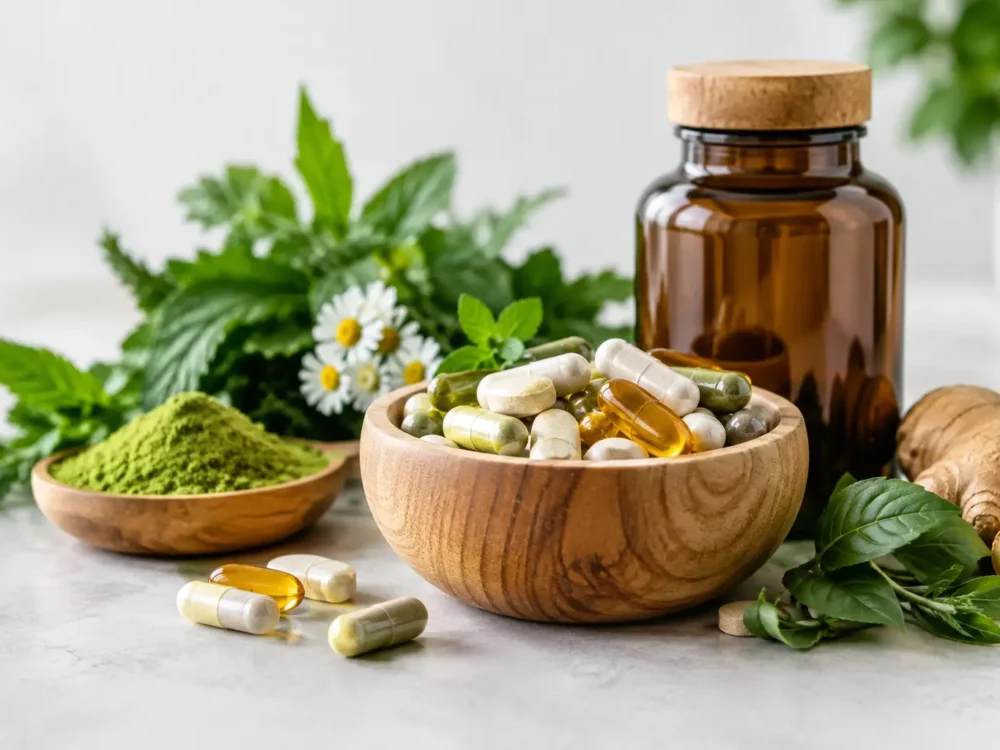
A green label can make a product look like the obvious better choice, but organic supplements deserve more than a quick glance at the front of the bottle. The real value is in what the label confirms: how relevant ingredients were grown, how transparently the product is made, and whether it fits a routine you can actually maintain.
For busy professionals, active adults, and anyone simplifying a wellness cabinet, organic can be a useful quality signal. It is not an automatic promise of stronger results, zero risk, or a replacement for good nutrition. Choosing well means pairing clean sourcing with a sensible dose, a practical format, and realistic expectations.
What “Organic” Means on a Supplement Label
In the U.S., organic certification generally refers to agricultural ingredients produced under established organic standards. Depending on the product, those standards can address soil practices, prohibited synthetic pesticides and fertilizers, genetic engineering restrictions, and processing requirements. A certified organic seal is meaningful because it is tied to a verification system, not simply a marketing adjective.
Still, supplements are more complicated than a bag of organic oats. A capsule, softgel, powder, or effervescent tablet may contain botanical extracts, oils, minerals, vitamins, flavoring, sweeteners, capsule materials, and stabilizers. Not every ingredient can be organic. Minerals such as magnesium or sodium are not agricultural crops, while some nutrients may be created through fermentation or other processes.
That is why the wording matters. A product labeled “organic” may meet a specific certification threshold, while a product saying “made with organic ingredients” may contain a meaningful portion of organic ingredients without being fully organic. If the claim is important to you, look beyond the front-panel language for the certifier, ingredient list, and supplement facts panel.
Why Organic Supplements Appeal to Clean-Routine Shoppers
The appeal is straightforward: many people want to reduce unnecessary exposure to agricultural chemicals while choosing products that feel closer to recognizable, traditionally used ingredients. Organic black seed oil, castor oil, coconut oil, apple cider vinegar, and plant-based powders can make sense for shoppers who value sourcing as much as convenience.
There is also a routine benefit. A high-quality oil in a softgel can be easier to take consistently than measuring liquid oil every morning. An effervescent format can make hydration or apple cider vinegar more enjoyable for someone who dislikes strong flavors. Convenience does not make a supplement less intentional. It often makes the difference between a product that sits in a cabinet and one that becomes part of a steady habit.
The trade-off is that organic products can cost more because certification, ingredient sourcing, and smaller-batch production add expense. That higher price is worth it when the organic standard applies to an ingredient you use regularly and genuinely care about. It may be less important when a product contains mostly non-agricultural nutrients or when a comparable non-organic option has stronger testing and clearer labeling.
Look Past the Organic Claim Before You Buy
A clean label should make decision-making easier, not force you to guess. Start by identifying the active ingredient and its amount per serving. A product can be organic and still provide too little of the ingredient to match your intended use. Conversely, a concentrated extract may be potent enough that you should not take more simply because the source is natural.
Then check the full ingredient list. Look for unnecessary fillers, artificial colors, or allergens that do not align with your preferences. If you follow a vegan lifestyle, verify both the active ingredients and the capsule shell. If you avoid genetically modified ingredients or prefer cruelty-free products, seek clear, specific statements rather than vague wellness language.
Quality markers also matter. For oils, pay attention to the ingredient source, storage guidance, freshness, and whether the product is intended for topical use, cooking, or supplementation. For botanicals, look for a clearly named plant and plant part when possible. For electrolyte products, compare sodium, potassium, magnesium, and added sugars based on how you train, sweat, and eat.
Certification Is Useful, but It Is Not the Whole Story
Organic certification can tell you a great deal about agricultural production. It does not independently confirm that every batch contains exactly what the label states, that a product is free from contaminants, or that it is appropriate for every person.
Responsible brands help close that gap with transparent labeling, relevant purity information, and clear directions. Be wary of products that make dramatic disease-treatment promises, conceal blends without individual amounts, or rely entirely on testimonials. A supplement should support your routine, not ask you to suspend common sense.
Match the Format to the Habit You Want
The best format is usually the one you will use correctly and consistently. Liquids are flexible and can work well for cooking, topical routines, or people who prefer to control serving size. Their drawbacks are taste, measuring, and portability.
Softgels and capsules offer consistency. They are easy to pack for work or travel, have no strong taste, and remove the friction of measuring oils or powders. They are especially practical for people who already have a morning or evening supplement routine.
Effervescent tablets can be a smart fit for hydration support or flavored wellness ingredients. They turn a glass of water into a more appealing ritual, which may help people who struggle to drink enough fluids. Check the sodium level, sweeteners, and serving guidance, particularly if you are managing blood pressure, kidney concerns, or a medically prescribed diet.
Sterling Nutrition focuses on this kind of practical balance: traditional wellness ingredients in formats such as softgels, capsules, and effervescents that can fit real schedules without complicating them.
Build a Simple, Not Stacked, Routine
More supplements do not automatically create a better routine. Starting several products at once makes it difficult to tell what is helping, what is unnecessary, and what may be causing discomfort. Begin with one goal: hydration around workouts, a consistent plant-oil supplement, or a food-first way to support daily nutrition.
Use the recommended serving size for at least a few weeks unless a clinician advises otherwise. Track simple signals that matter to you, such as energy during training, fluid intake, digestion, or whether you can maintain the routine on busy days. Avoid judging a product by a single day or expecting a dietary supplement to produce overnight transformations.
If you choose an organic oil for hair or skin, patch-test first and follow the product’s intended-use guidance. Not every oil is designed to be swallowed, and not every supplement oil is meant for topical application. Natural ingredients can still trigger allergies, interact with medications, or be unsuitable during pregnancy and breastfeeding.
When to Ask a Health Professional
Talk with a qualified health professional before adding a supplement if you take prescription medicines, have a chronic condition, are preparing for surgery, are pregnant or nursing, or are buying a product for a child. This is especially relevant for concentrated botanical extracts and products that may affect blood sugar, blood pressure, blood clotting, or digestion.
For most healthy adults, the goal is not a complicated protocol. It is a clean, well-labeled product used for a clear reason, alongside adequate food, sleep, movement, and hydration. Organic sourcing can be a meaningful part of that choice, but it works best when it supports a routine built on the basics.
Choose organic supplements with the same standard you would bring to your daily food: know what you are taking, understand why you are taking it, and make room for habits you can keep long after the new-bottle excitement fades.